
1802 - 1830: First Pubs
First Pubs
At the turn of the 19th century, the brewery began acquiring pubs in the local area to sell its beers.
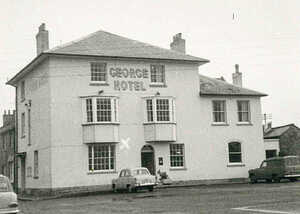
The first freehold, purchased in 1802, was the George Hotel, which sits at the centre of Bridport. The façade remains practically unchanged to this day, except for the original lantern, which was replaced with a written sign.
The pub has seen generations of drinkers come of age and was also a pioneer of Bridport’s food movement. The original celebratory chef, Keith Floyd, cooked Lyme Bay scallops in the pub’s kitchen in his 1985 debut series Floyd on Fish.
In 1803, a lease was taken out for the White Lion Broadwindsor; the brewery later acquired the freehold, and the site is now a community pub, leased from the brewery by the village.
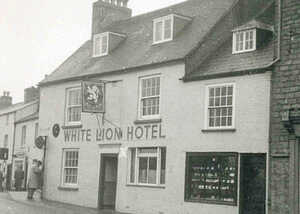
In 1829, a long lease was acquired for the White Lion on West Bridge, which still trades to this day, although it was briefly renamed the Tanners.
The Napoleonic wars were a boom period for the town of Bridport, and the brewery expanded its estate in the Bridport area.
In 1830, the Beer Act accelerated the opening of beer houses as an attempt by the government of the day to reduce gin consumption. It is often said that every other house on South Street in Bridport was a pub, although many of these would have been just a front room in a domestic dwelling.
1802–1830
First Pubs
At the turn of the 19th century, the brewery began acquiring pubs in the local area to sell its beers.
The first freehold, purchased in 1802, was the George Hotel, which sits at the centre of Bridport. The façade remains practically unchanged to this day, except for the original lantern, which was replaced with a written sign.
The pub has seen generations of drinkers come of age and was also a pioneer of Bridport’s food movement. The original celebratory chef, Keith Floyd, cooked Lyme Bay scallops in the pub’s kitchen in his 1985 debut series Floyd on Fish.
In 1803, a lease was taken out for the White Lion Broadwindsor; the brewery later acquired the freehold, and the site is now a community pub, leased from the brewery by the village.
In 1829, a long lease was acquired for the White Lion on West Bridge, which still trades to this day, although it was briefly renamed the Tanners.
The Napoleonic wars were a boom period for the town of Bridport, and the brewery expanded its estate in the Bridport area.
In 1830, the Beer Act accelerated the opening of beer houses as an attempt by the government of the day to reduce gin consumption. It is often said that every other house on South Street in Bridport was a pub, although many of these would have been just a front room in a domestic dwelling.
1832-1836: New Beginnings
New beginnings
1832 - By the year of the Great Reform Act, which saw a dramatic restructuring of the country’s electoral system, the brewery was operating at capacity. Samuel Gundry stepped down, and the business was taken over by a new partnership led by his son, Samuel Bowden Gundry, who retained the freehold for the site. Samuel Gundry’s tenure saw a series of investments in the brewhouse, many of which are still in place today.
In Spring 1838, water from a field west of the brewery replaced the well water that had been used until then. The brewery still uses its own spring water for brewing today. While not unique, the growth of towns and infrastructure projects has made many breweries' independent water supplies unsustainable, forcing them to switch to mains water.
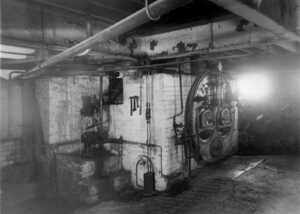
In the 1840s, steam power was introduced to the brewhouse to supplement the brewery’s undershot waterwheel. This coal-fired boiler was replaced in 1973 with a gas-powered boiler. This milestone was commemorated in 2023 with a seasonal ale called “Stoker ‘73”. The stoker is widely regarded as being responsible for the industry idiosyncrasy of the "wet brewery".
Due to his hot work, the stoker was allowed to help himself to beer while working; similarly, the draymen expected to stay hydrated as they travelled from pub to pub. To maintain peace, an allocation was created that entitled staff to help themselves to two pints from a cask in the cellar during the working day. Palmers remained a “wet brewery” until 2020, when it was deemed dangerous to promote drunkenness in the workplace. The brewery team still meet bimonthly for a beer on a Friday afternoon to honour the principal.
The business continued to expand its pubs during this period, including, in 1836, the Anchor Inn at Seatown. This iconic venue is situated directly on the beach overlooking West Dorset’s renowned Jurassic Coast, in the shadow of Golden Cap, the highest point on the South West Coast Path.
1832–1836
New beginnings
1832 - By the year of the Great Reform Act, which saw a dramatic restructuring of the country’s electoral system, the brewery was operating at capacity. Samuel Gundry stepped down, and the business was taken over by a new partnership led by his son, Samuel Bowden Gundry, who retained the freehold for the site. Samuel Gundry’s tenure saw a series of investments in the brewhouse, many of which are still in place today.
In Spring 1838, water from a field west of the brewery replaced the well water that had been used until then. The brewery still uses its own spring water for brewing today. While not unique, the growth of towns and infrastructure projects has made many breweries' independent water supplies unsustainable, forcing them to switch to mains water.
In the 1840s, steam power was introduced to the brewhouse to supplement the brewery’s undershot waterwheel. This coal-fired boiler was replaced in 1973 with a gas-powered boiler. This milestone was commemorated in 2023 with a seasonal ale called “Stoker ‘73”. The stoker is widely regarded as being responsible for the industry idiosyncrasy of the "wet brewery".
Due to his hot work, the stoker was allowed to help himself to beer while working; similarly, the draymen expected to stay hydrated as they travelled from pub to pub. To maintain peace, an allocation was created that entitled staff to help themselves to two pints from a cask in the cellar during the working day. Palmers remained a “wet brewery” until 2020, when it was deemed dangerous to promote drunkenness in the workplace. The brewery team still meet bimonthly for a beer on a Friday afternoon to honour the principal.
The business continued to expand its pubs during this period, including, in 1836, the Anchor Inn at Seatown. This iconic venue is situated directly on the beach overlooking West Dorset’s renowned Jurassic Coast, in the shadow of Golden Cap, the highest point on the South West Coast Path.
1836-1881, 1985 - Wines & Spirits
Wines & Spirits
In 1836, The Wine Shop (now The Book Shop) opened on South Street, Bridport, established by William Chick. When Chick retired, the business was inherited by his assistant, William Randall, before Palmers acquired it in 1919.
In 1815, another brewing business – The New Brewery – opened on Gundry Lane in the centre of Bridport. By 1840, the business was solely owned by Thomas Legg, who went on to purchase the Old Brewery on West Bay Road in 1867, and brewing at the New Brewery ceased. The site was retained as a malthouse and, in 1881, was transformed into a bonded warehouse.
The site was used to import wines and spirits from around the world through the harbour in West Bay. Palmers also aged and bottled whisky, sherries, and ports from this location. The Golden Cap brand, used for the company’s gin and whisky, was first registered in 1918.
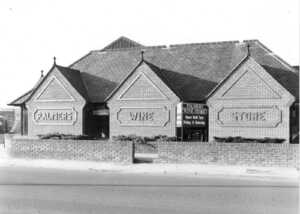
In 1985, a new Wine Store was opened adjacent to the Old Brewery on West Bay Road.
Palmers maintains its tradition of sourcing and importing wines from around the world for both its trade accounts and retail customers.
1836–1881, 1985
Wines & Spirits
In 1836, The Wine Shop (now The Book Shop) opened on South Street, Bridport, established by William Chick. When Chick retired, the business was inherited by his assistant, William Randall, before Palmers acquired it in 1919.
In 1815, another brewing business – The New Brewery – opened on Gundry Lane in the centre of Bridport. By 1840, the business was solely owned by Thomas Legg, who went on to purchase the Old Brewery on West Bay Road in 1867, and brewing at the New Brewery ceased. The site was retained as a malthouse and, in 1881, was transformed into a bonded warehouse.
The site was used to import wines and spirits from around the world through the harbour in West Bay. Palmers also aged and bottled whisky, sherries, and ports from this location. The Golden Cap brand, used for the company’s gin and whisky, was first registered in 1918.
In 1985, a new Wine Store was opened adjacent to the Old Brewery on West Bay Road.
Palmers maintains its tradition of sourcing and importing wines from around the world for both its trade accounts and retail customers.
1856-1862 - Expansion
Expansion
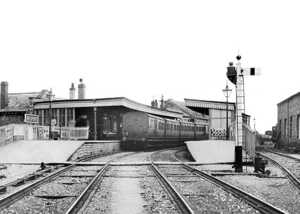
By 1856, the consortium led by Samuel Bowden Gundry was reduced to just two partners - Samuel Bowden Gundry and George Templer. Over the next eight years, the brewery expanded its distribution, largely thanks to the opening of the Bridport Railway in 1857.
By 1862, 12 ales were being produced with exports to India, Australia and Canada.
1856–1862
Expansion
By 1856, the consortium led by Samuel Bowden Gundry was reduced to just two partners - Samuel Bowden Gundry and George Templer. Over the next eight years, the brewery expanded its distribution, largely thanks to the opening of the Bridport Railway in 1857.
By 1862, 12 ales were being produced with exports to India, Australia and Canada.
1856-1862 - Adrift
Adrift
In 1864, Bridport Old Brewery Company Ltd took over management of the business, with 70% of the shareholders based in London. The company experienced a period of investment, which included building new structures on the old brewery site and acquiring five new pub leases. However, sadly, the restructuring was not successful, and in 1867 the company was put up for auction.
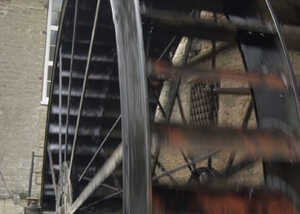
In 1867, the Brewery was purchased by the Legg Family, a farming family from Litton Cheney. A series of deaths led to the business passing through several generations, and it was again available towards the end of 1894. One testament to Legg’s ownership is the brewery’s iconic waterwheel, forged in Bridport in 1879 by Thomas Helyer, with a diameter of 18 feet and an optimal speed of 10 rpm. The wheel continues to turn to this day, and although no longer connected, many of the belts and shafts it once drove remain in place.
1864-1894
Adrift
In 1864, Bridport Old Brewery Company Ltd took over management of the business, with 70% of the shareholders based in London. The company experienced a period of investment, which included building new structures on the old brewery site and acquiring five new pub leases. However, sadly, the restructuring was not successful, and in 1867 the company was put up for auction.
In 1867, the Brewery was purchased by the Legg Family, a farming family from Litton Cheney. A series of deaths led to the business passing through several generations, and it was again available towards the end of 1894. One testament to Legg’s ownership is the brewery’s iconic waterwheel, forged in Bridport in 1879 by Thomas Helyer, with a diameter of 18 feet and an optimal speed of 10 rpm. The wheel continues to turn to this day, and although no longer connected, many of the belts and shafts it once drove remain in place.
1895-1897 - JC & RH Palmer
JC & RH Palmer
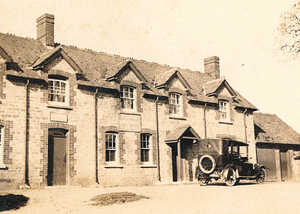
In 1896, a new partnership was established between John Cleeves and Robert Henry Palmer. John Cleeves had previously managed the successful Odiham Brewery in Hampshire. He sold the brewery to Crowleys in October 1895 and, six months later, took control of The Old Brewery in Bridport alongside his brother, Robert Henry. Besides brewing, Cleeves brought experience of the wines and spirits trade to the business in Bridport.
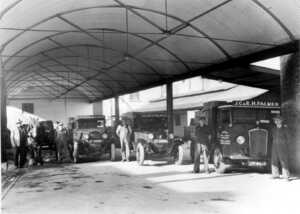
Between 1896-7, several investment projects were initiated. The main yard was covered with a corrugated iron roof sourced from the H N Harris foundry. A new mineral water plant was added to the north of the brewery, stables were converted into offices, and a new bottling plant was installed. The old malt screen, installed in 1912, remained in use until 2013; it can still be seen underneath the malt loft in its original position.
In the same year, the freehold for the Three Horseshoes Powerstock was purchased; the site had previously been leased.
1895–1897
JC & RH Palmer
In 1896, a new partnership was established between John Cleeves and Robert Henry Palmer. John Cleeves had previously managed the successful Odiham Brewery in Hampshire. He sold the brewery to Crowleys in October 1895 and, six months later, took control of The Old Brewery in Bridport alongside his brother, Robert Henry. Besides brewing, Cleeves brought experience of the wines and spirits trade to the business in Bridport.
Between 1896-7, several investment projects were initiated. The main yard was covered with a corrugated iron roof sourced from the H N Harris foundry. A new mineral water plant was added to the north of the brewery, stables were converted into offices, and a new bottling plant was installed. The old malt screen, installed in 1912, remained in use until 2013; it can still be seen underneath the malt loft in its original position.
In the same year, the freehold for the Three Horseshoes Powerstock was purchased; the site had previously been leased.
1915-1918 - The Great War
The Great War
The First World War had a significant impact on both the business and the Palmer family. Rationing and dramatic changes in the demographic of West Dorset affected trade, while two of John Cleeves’ sons died on the Western Front in 1917.
Bridport welcomed a number of Belgian refugees during the war, which partly led to the pub the King of Prussia being renamed the King of the Belgians, now the Lord Nelson on East Street. During the war, two more pubs joined the estate: the Crown Inn, Punknowle in 1915 (leased from 1899) and the Loders Arms in 1916.
John Cleeves’ eldest son, Henry Robert Cleeves (Bob), was head brewer at Adnams brewery Southwold.
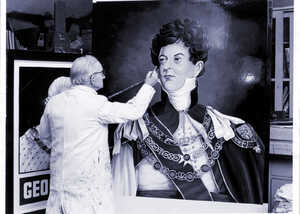
In 1918, George Biles, a highly talented signwriter and pictorial painter who lived in Bridport throughout his life, was commissioned to paint his first Palmers Pub sign. George designed and produced signs and artwork for the brewery until his death in 1987. Many of his signs are stored in the brewery’s archives, and in 2024, in conjunction with Bridport Town Council and local signwriter Jemma Thompson, these were displayed as part of a major retrospective exhibition across Bridport. As part of this project, the archive was also digitised for future generations.
1915–1918
The Great War
The First World War had a significant impact on both the business and the Palmer family. Rationing and dramatic changes in the demographic of West Dorset affected trade, while two of John Cleeves’ sons died on the Western Front in 1917.
Bridport welcomed a number of Belgian refugees during the war, which partly led to the pub the King of Prussia being renamed the King of the Belgians, now the Lord Nelson on East Street. During the war, two more pubs joined the estate: the Crown Inn, Punknowle in 1915 (leased from 1899) and the Loders Arms in 1916.
John Cleeves’ eldest son, Henry Robert Cleeves (Bob), was head brewer at Adnams brewery Southwold.
In 1918, George Biles, a highly talented signwriter and pictorial painter who lived in Bridport throughout his life, was commissioned to paint his first Palmers Pub sign. George designed and produced signs and artwork for the brewery until his death in 1987. Many of his signs are stored in the brewery’s archives, and in 2024, in conjunction with Bridport Town Council and local signwriter Jemma Thompson, these were displayed as part of a major retrospective exhibition across Bridport. As part of this project, the archive was also digitised for future generations.
1919-1939 - Inter-war growth
Inter-war growth
1919 - Acquisition of the Cobb Arms, Lyme Regis. The site was rebuilt on an adjacent plot in it current layout in 1935 for £900.
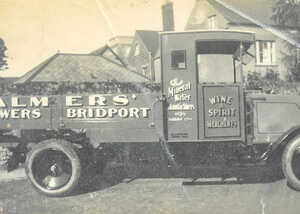
1920 - Motor vehicles begin to replace horses. The first motorised dray was a 1-ton Ford purchased from Bonfield’s with coachwork completed by Oxenbury’s – a 1-ton Ford lorry.
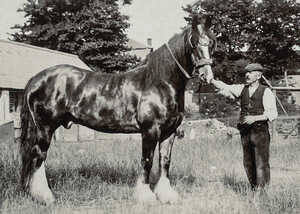
By 1923, only one horse-drawn dray remained in use, and it continued in service until 1949.
1921 - Five Bell Whitchurch Canonicorum freehold purchased.
1928 - A few months before the death of Cleeves Palmer, his son Bob came home to Bridport from Cobbolds Brewery in Ipswich.
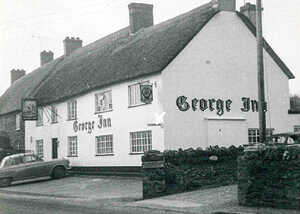
1930 - Freehold for The George, Chideock purchased.
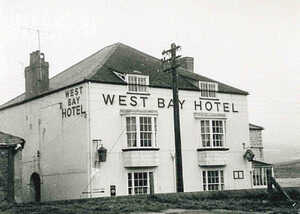
1931 - West Bay Hotel and George Hotel, West Bay, were purchased from Pitt Rivers Estate, which had previously been held on long leases.
1935 - Bob Palmer became the sole owner following the death of Henry Palmer two years earlier.
1939 - Tony Palmer joined the business as a brewer. New plant added to the brewhouse – fermentation vessels.
1939 - Bridport Arms was purchased; it had been held on an annual tenancy since at least 1878.
1919–1939
Inter-war growth
1919 - Acquisition of the Cobb Arms, Lyme Regis. The site was rebuilt on an adjacent plot in it current layout in 1935 for £900.
1920 - Motor vehicles begin to replace horses. The first motorised dray was a 1-ton Ford purchased from Bonfield’s with coachwork completed by Oxenbury’s – a 1-ton Ford lorry.
By 1923, only one horse-drawn dray remained in use, and it continued in service until 1949.
1921 - Five Bell Whitchurch Canonicorum freehold purchased.
1928 - A few months before the death of Cleeves Palmer, his son Bob came home to Bridport from Cobbolds Brewery in Ipswich.
1930 - Freehold for The George, Chideock purchased.
1931 - West Bay Hotel and George Hotel, West Bay, were purchased from Pitt Rivers Estate, which had previously been held on long leases.
1935 - Bob Palmer became the sole owner following the death of Henry Palmer two years earlier.
1939 - Tony Palmer joined the business as a brewer. New plant added to the brewhouse – fermentation vessels.
1939 - Bridport Arms was purchased; it had been held on an annual tenancy since at least 1878.
1939-1942 - Wartime
Wartime
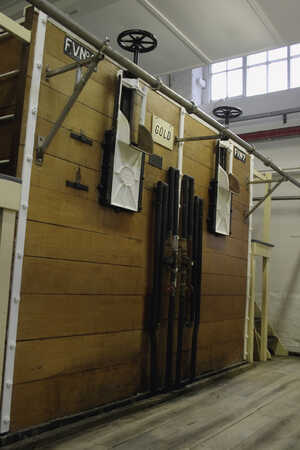
In late 1939, two new fermenting vessels made from New Zealand Kauri pine were introduced. A new hop back was added in 1940. In 1942, Brown and Davis developed an inverted single-cylinder steam engine No. 6429.
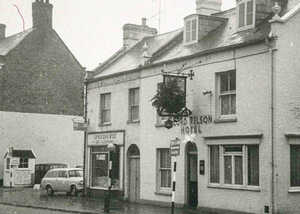
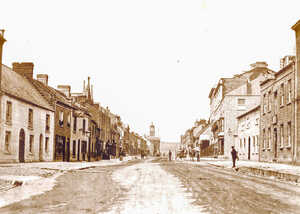
Also in 1942, Bridport was bombed twice during the war, and in December 1942, four bombs were dropped in East Street, one of which hit the rear of the recently renamed Lord Nelson. Prior to the D-Day landings, troops were billeted in the Malthouse.
1939–1942
Wartime
In late 1939, two new fermenting vessels made from New Zealand Kauri pine were introduced. A new hop back was added in 1940. In 1942, Brown and Davis developed an inverted single-cylinder steam engine No. 6429.
Also in 1942, Bridport was bombed twice during the war, and in December 1942, four bombs were dropped in East Street, one of which hit the rear of the recently renamed Lord Nelson. Prior to the D-Day landings, troops were billeted in the Malthouse.
1948-1991 - Post-war to the 90S
Post-War to the 90s
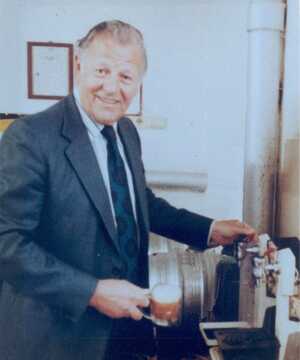
1948 - Allan Skurray becomes Head Brewer, he didn’t retire until 1974 and is Palmers’ longest serving Head Brewer.
1949 -Tally Ho! launched. Initially brewed for bottles, by the 1990s Tally Ho! was available in cask. It is Palmers most awarded ale and is a firm favourite at beer festivals and amongst real ale enthusiasts. Discover Tally Ho!
1953 - Palmers IPA launched and is still brewed to the same recipe to this day. Discover Palmers IPA.
1969 - John Palmer joined the Brewery, going on to take over from his father as Managing Director in 1983.
1974 – Peter Seed took over as Head Brewer, he was the last Head Brewer to live on site in the Head Brewer’s cottage, on hand 24/7 to monitor the brews.
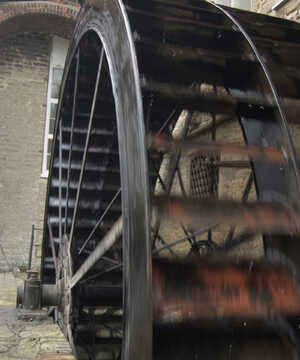
1982 – Palmers Waterwheel restored. Originally forged in Bridport in 1879 by Thomas Helyear, it remained in use until 1930 when mains electricity became available.
1985 - Palmers Wine Store opens on main brewery site.
1986 - Gift of land to the value of £333,000 to Bridport Sports Trust to finance the building of the Bridport Leisure Centre.
1989 - Ropemakers (previously The Sun) reopened by cricket commentator, Brian Johnston, following a refurbishment.
1990 – Adrian Wood took over as Head Brewer and during his tenure developed several of Palmers core lines – including Dorset Gold, Palmers 200 and Copper Ale.
1991 - Ilchester Arms freehold purchased.
1948–1991
Post-War to the 90s
1948 - Allan Skurray becomes Head Brewer, he didn’t retire until 1974 and is Palmers’ longest serving Head Brewer.
1949 -Tally Ho! launched. Initially brewed for bottles, by the 1990s Tally Ho! was available in cask. It is Palmers most awarded ale and is a firm favourite at beer festivals and amongst real ale enthusiasts. Discover Tally Ho!
1953 - Palmers IPA launched and is still brewed to the same recipe to this day. Discover Palmers IPA.
1969 - John Palmer joined the Brewery, going on to take over from his father as Managing Director in 1983.
1974 – Peter Seed took over as Head Brewer, he was the last Head Brewer to live on site in the Head Brewer’s cottage, on hand 24/7 to monitor the brews.
1982 – Palmers Waterwheel restored. Originally forged in Bridport in 1879 by Thomas Helyear, it remained in use until 1930 when mains electricity became available.
1985 - Palmers Wine Store opens on main brewery site.
1986 - Gift of land to the value of £333,000 to Bridport Sports Trust to finance the building of the Bridport Leisure Centre.
1989 - Ropemakers (previously The Sun) reopened by cricket commentator, Brian Johnston, following a refurbishment.
1990 – Adrian Wood took over as Head Brewer and during his tenure developed several of Palmers core lines – including Dorset Gold, Palmers 200 and Copper Ale.
1991 - Ilchester Arms freehold purchased.
1994-to present - Bicentenary to Modern Day
Bicentenary to Modern Day
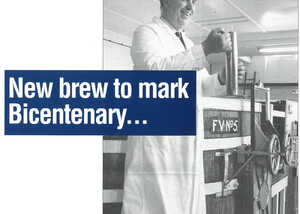
1994 - Brewery’s Bicentenary and Palmers 200 were launched to commemorate it. Discover Palmers 200.
1999 - Dorset Gold initially launched as a summer ale at 3.7% but proved so popular it was soon made available throughout the year, increasing to 4.5% in May 2002. In 2026 it overtook IPA as Palmers best selling ale.
2001 - Fox & Hounds, Cattistock purchased.
2002 - Copper Ale launched. Discover Copper Ale.
2007 – Darren Batten takes over as Head Brewer and has overseen the introduction of a program of seasonal ales and launched the brewery’s first Keg ale – The Dorset Pale.
2016 – Publican Awards, Best tenanted/leased pub company (up to 200 sites)
2018 – Publican Awards, Best tenanted/leased pub company (up to 500 sites).
2019 - Brewery Celebrates its 225th anniversary and John Palmer’s 50th year in the industry.
2020 - Pandemic hits and for the first time in Palmers history, the brewery yeast was furloughed and production temporarily ceased.
2021 – On reopening from the pandemic the first brew is a Palmers 200 which goes on to wins SIBA National Champion Bottle and Can Premium Bitter Gold award winner.
2023 - Dorset Pale launched. Discover Dorset Pale Ale.
2023 - John Palmer steps down as Managing Director, and Emily Palmer Ramus takes over as CEO.
2024 - Relaunch of Community Fund. Read more about the Community Fund.
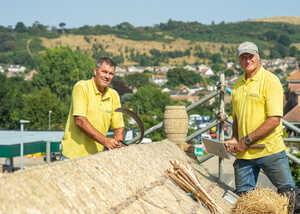
2025 - Brewery re-thatched. Palmers brewery is the last thatched brewery in the country, the summer of 2025 saw the first full rethatch in over 50 years. Carried out by Tuck Thatching the work was commemorated by the autumn seasonal – Down The Thatch.
2026 - Josh Palmer Ramus joins the board as Sales Director. Now three family members working in the business. Want to trade with us?
2026 - Finalist Champion Winter Beer of Britain Awards at Liverpool CAMRA – Tally Ho!
1994–
Bicentenary to Modern Day
1994 - Brewery’s Bicentenary and Palmers 200 were launched to commemorate it. Discover Palmers 200.
1999 - Dorset Gold initially launched as a summer ale at 3.7% but proved so popular it was soon made available throughout the year, increasing to 4.5% in May 2002. In 2026 it overtook IPA as Palmers best selling ale.
2001 - Fox & Hounds, Cattistock purchased.
2002 - Copper Ale launched. Discover Copper Ale.
2007 – Darren Batten takes over as Head Brewer and has overseen the introduction of a program of seasonal ales and launched the brewery’s first Keg ale – The Dorset Pale.
2016 – Publican Awards, Best tenanted/leased pub company (up to 200 sites)
2018 – Publican Awards, Best tenanted/leased pub company (up to 500 sites).
2019 - Brewery Celebrates its 225th anniversary and John Palmer’s 50th year in the industry.
2020 - Pandemic hits and for the first time in Palmers history, the brewery yeast was furloughed and production temporarily ceased.
2021 – On reopening from the pandemic the first brew is a Palmers 200 which goes on to wins SIBA National Champion Bottle and Can Premium Bitter Gold award winner.
2023 - Dorset Pale launched. Discover Dorset Pale Ale.
2023 - John Palmer steps down as Managing Director, and Emily Palmer Ramus takes over as CEO.
2024 - Relaunch of Community Fund. Read more about the Community Fund.
2025 - Brewery re-thatched. Palmers brewery is the last thatched brewery in the country, the summer of 2025 saw the first full rethatch in over 50 years. Carried out by Tuck Thatching the work was commemorated by the autumn seasonal – Down The Thatch.
2026 - Josh Palmer Ramus joins the board as Sales Director. Now three family members working in the business. Want to trade with us?
2026 - Finalist Champion Winter Beer of Britain Awards at Liverpool CAMRA – Tally Ho!
 Updating page...